How to Assess Your Insurance Needs Before Renewal
Insurance renewal is a simple chore you revisit yearly. Still, it is a crucial step since you must ensure that you are appropriately insured against life's uncertainties. Before renewing, it is necessary to evaluate the insurance options to ensure your policy coverage applies to you nowadays. In this article, we look forward to providing simple techniques to confidently steer you through the renewal process and allow you to stay insured correctly.

Tips to Assess Your Needs Before Renewal
Here are some of the top tips one should know for assessing insurance needs before renewal:
1. Review Your Current Coverage
The first thing to do is ensure you have what you already have insured. Look at the policy documents closer or liaise with your insurer for a summary. Consider the specs of every coverage, the amount of coverage, and any exclusions. This will help you get a clear view of protected areas and where you could need extra cover.
2. Consider How Your Life Has Changed
We are not stationary, and our insurance demands are not, either. Consider any noticeable changes that may have impacted your policy rate since the last renewal. Did you purchase a new car, recently move into a new home, or welcome a new addition to the family? Such changes will then affect your insurance. For example, a new house would require more property insurance, while a new family member would also need life insurance.
3. Assess Potential Risks
Take some time to assess the risks that you face in your everyday life. Is your area often subjected to these natural disasters, or should you be concerned about other hazards? Do you have costly possessions you may want to insure yourself more? Thoroughly identifying certain risks unique to your situation allows you to verify if your insurance policy covers all of them. Consider anything about you, lifestyle, hobby, or workwise, that might contribute to an increase in risk, for example, starting a home-based business or taking up a new hobby.
4. Compare Quotes
When the basics are in place, it is high time you start looking for the insurance cover that best suits you. Do not sit on your hands just because you are happy with your previous provider, and do not consider other providers. Ensure you get estimates from different companies to confirm if you can have a better cover or even a lower premium. Make sure you aren't just thinking about cost as the only factor. You must check the coverages thoroughly and be careful regarding the terms and conditions of the policies.
5. Seek Professional Help if Needed.
Health insurance can be a complicated issue, and there is no disgrace in feeling confused about the process you are enrolling in. If you have doubts about how much coverage you require or are unsure you need help finding the best insurance plan, you can always get professional advice. There are insurance brokers and financial advisors who can work through the choices you have with you and see to it that you get the best coverage at a reasonable price. They usually assist you in comprehending and applying legal and regulatory frameworks that may be related to your situation.
6. Check for Policy Updates
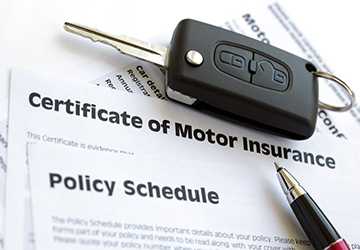
Insurance policies can change; your coverage did not have those last year, which is different this year. Before renewing, carefully check the updates or modifications to your insurance policy terms and conditions. Please thoroughly read the list of what is not covered and any new restrictions that may apply to your insurance. If you're still determining any changes, contact the insurance provider immediately for clarification.
7. Consider Bundling Policies
The multiple insurance policies that you get from the same provider may have the ability to reduce the total cost of insurance. If you simultaneously have home, auto, and life insurance requirements, consider obtaining them from one insurance provider as a package deal. In addition to this, it could enable you to combine your policies, thus easing the renewal process. This may also be advantageous since you can get discounts or special offers. On the other side, you should compare the bundled price with the cost of individual policies from different providers to be assured of getting the best rate.
8. Coverage Deductibles and Coverage Limits
Besides, deductibles and coverage limits will mainly affect your premium amount and the extent of insurance protection you enjoy. Before renewing, consider these factors carefully to know if they suit your needs and budget. The higher deductible can help lower your premiums, but you must make sure you have enough savings to cover the likelihood of a claim with the higher out-of-pocket costs that come with it. For instance, examine your coverage limits to ensure they are sufficient to safeguard the assets and liabilities you have.
Conclusion
Renewing insurance every year shouldn't be of rushed type. After going through the steps of the renewal process, you will be able to do it with calmness and composure. Spend time reviewing your current policies, analyzing changes in your life, and getting informal quotes from multiple providers. Whether it is watching for policy changes, considering bundle options, or verifying deductibles and coverage levels, a thorough assessment of your insurance needs will give you the peace of mind that you have adequate coverage for whatever lies ahead.